

Understanding the different types of printing techniques is essential for Calgary businesses that want high-quality results while controlling costs and turnaround times. Whether you’re producing internal reports, high-volume marketing collateral, or branded merchandise, the method you choose directly affects your speed, setup costs, color accuracy, and material compatibility.
At Cal-Imaging Specialists, we help local businesses navigate both office printing technologies and commercial production methods. This guide breaks down the three most common types of printing techniques—Digital, Offset, and Screen Printing—to help you make informed decisions for your next project.
1. Digital Printing
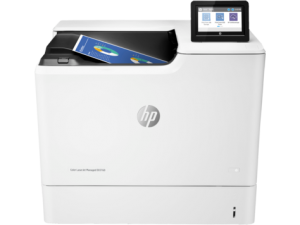
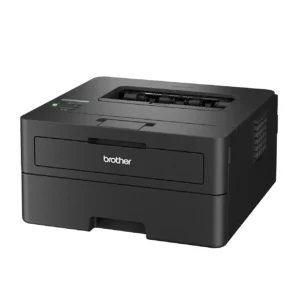
Digital printing is the most versatile of the modern types of printing techniques. It transfers digital files directly to the device without the need for physical printing plates, making it the go-to choice for the modern office.
How It Works
Digital printers typically utilize one of two core technologies:
-
Inkjet Technology: Liquid ink is sprayed through microscopic nozzles onto the paper.
-
Laser Technology: Dry toner powder is fused to the media using heat and static electricity.
Industry Standards: Leading examples include HP Color LaserJet printers, Canon imageRUNNER multifunction systems, Brother laser printers, and Ricoh office units—all of which are pillars of modern business environments.
-
Speed: Near-instant; minimal setup time makes it ideal for on-demand printing.
-
Setup Costs: Very low; no plate creation is required.
-
Color Accuracy: Excellent consistency for small batches and variable data (personalized) printing.
-
Material Limitations: Primarily optimized for paper, cardstock, and some specialty synthetics.
Best For: Office documents, business presentations, short-run brochures, and personalized marketing materials.
2. Offset Printing
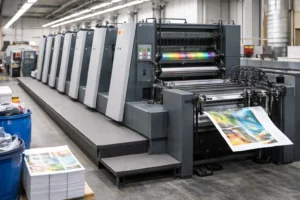
Offset printing is the traditional “industrial” method used for massive production runs where unit cost and color perfection are the primary goals.
How It Works
This technique uses metal plates to transfer (or “offset”) ink onto rubber rollers, which then apply the image to the paper. It is the gold standard for the CMYK (Cyan, Magenta, Yellow, Black) color model.
-
Speed: Slower setup due to plate creation, but extremely fast once the press is running.
-
Setup Costs: High initial investment for plates and press calibration.
-
Color Accuracy: Exceptional precision; this is the best method for Pantone color matching to ensure brand consistency.
-
Material Limitations: Mostly paper-based, but supports a wide variety of textured finishes and weights.
Best For: High-volume magazines, newspapers, long-run catalogs, and large-scale marketing campaigns.
3. Screen Printing
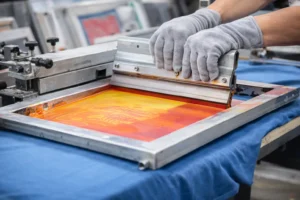
Screen printing is one of the most durable types of printing techniques, famously used for products that traditional printers simply cannot handle.
How It Works
Thick ink is pushed through a stencil on a mesh screen onto the material below. Because the ink sits on top of the substrate rather than soaking in, the colors are incredibly vibrant and long-lasting.
-
Speed: Labor-intensive setup; each color requires a separate screen.
-
Setup Costs: Moderate to high depending on the number of colors in the design.
-
Color Accuracy: Bold, vibrant solid colors, but less effective for fine gradients or high-resolution photos.
-
Material Limitations: Virtually limitless—works on fabric, plastic, glass, wood, and metal.
Best For: Branded apparel (T-shirts), promotional merchandise, outdoor signage, and specialty industrial products.
Choosing the Right Printing Method
The best printing technique depends on:
-
Quantity needed
-
Budget
-
Timeline
-
Material type
-
Required color accuracy
For office and business environments, digital printing using trusted brands like HP, Canon, Brother, and Ricoh is often the most practical solution. For large-scale marketing production, offset printing may offer better economies of scale. For merchandise and specialty materials, screen printing remains a strong option.
Understanding the different types of printing techniques helps businesses choose the right balance between speed, setup cost, color precision, and material compatibility. Digital printing offers flexibility and efficiency for everyday business use, offset printing delivers cost-effective high-volume production, and screen printing excels for specialty materials and apparel.
If your Calgary business needs expert advice on office printers, multifunction systems, or print optimization, Cal-Imaging Specialists provides knowledgeable guidance and ongoing support—helping you navigate today’s evolving types of printing techniques with confidence.